Access issues for driveway rubbish removal in Wealdstone
Posted on 30/06/2026

If you have ever stood in a narrow Wealdstone driveway, glanced at a locked side gate, and wondered how on earth a rubbish team is going to get to the pile, you are not alone. Access issues for driveway rubbish removal in Wealdstone are one of the most common reasons a collection takes longer than expected, costs more than planned, or needs a different setup altogether. The good news? Most access problems can be handled smoothly with a bit of preparation. In this guide, we break down what creates access problems, how driveway clearances usually work, and the small decisions that make a big difference on the day.
We will also look at practical fixes for tight entrances, awkward parking, shared drives, front-garden obstacles, and those situations where the rubbish is technically on the driveway but still not easy to reach. Truth be told, a few minutes of planning can save a lot of back-and-forth later.
Why access issues for driveway rubbish removal in Wealdstone Matters
Access is not just a logistical detail. It shapes the whole job. If a crew can park close to the driveway, carry items straight out, and load safely, the clearance tends to be quicker and cleaner. If they have to negotiate narrow side passages, steep steps, low branches, or a vehicle that cannot get near the property, the work becomes slower and more physically demanding. Sometimes that means extra labour. Sometimes it means a different vehicle. Occasionally it means the job has to be split into stages.
In Wealdstone, this comes up a lot because properties can vary quite a bit. You might have a compact terrace with a tight front access route, a shared driveway behind a row of homes, or a sloped entrance with limited turning space. Add in parked cars, bins, garden tools, and neighbours who need access too, and the picture gets complicated quickly.
Why does this matter to you? Because access affects:
- how long the collection takes
- how many people are needed on site
- how much waste can be safely moved at once
- whether a vehicle can be loaded directly from the driveway
- the final quote, if access is more difficult than first expected
It also affects safety. A rubbish crew carrying heavy furniture through a narrow route with poor footing is more likely to trip, scratch walls, or damage fencing. Nobody wants that. Not you, not the team, not the neighbour whose hedge is too close for comfort.
Expert summary: The best driveway rubbish removal jobs are not necessarily the smallest ones. They are the ones where access has been thought through early, measurements are clear, and there are no surprises on arrival.
If you are comparing collection options or want to understand broader service types, it can help to review the wider services overview and the specifics of rubbish collection in Harrow.
How access issues for driveway rubbish removal in Wealdstone Works
Most driveway clearances follow a simple pattern: assess, park, carry, load, sweep up, leave. The catch is that the assessment stage is often where access either looks fine or becomes the whole story.
Here is what usually happens behind the scenes.
1. The team checks vehicle access
The first question is whether the vehicle can get close enough. That might mean parking on the driveway, at the kerb, or nearby on a safe road section. If there is no room for a van to sit conveniently, the crew may need to carry items farther than expected. That is not impossible, but it changes the job.
2. They look at the path from rubbish to vehicle
The path matters just as much as the parking spot. A clear, flat route is ideal. But plenty of driveways have tight corners, wheelie bins in the way, steps, gravel that shifts underfoot, or a gate that only opens part way. Even something as ordinary as a low hanging branch can be enough to make carrying awkward.
3. They assess item size and handling
A few bin bags are one thing. A broken wardrobe, a sofa, or bathroom tiles in heavy sacks are another. Larger items often need two-person carrying, and if the access route twists or narrows, the route may need to be checked in advance. Sometimes an item simply will not turn a corner without being dismantled first.
4. They plan the loading method
Some jobs are loaded directly from the driveway. Others work better if items are moved to the front of the property or collected in stages. With restricted access, a crew may use smaller trolleys, more carrying trips, or a different collection order. That is normal. It is not a problem if everyone knows it beforehand.
5. They adjust on the day
Real life happens. A neighbour parks across the drive. A delivery van blocks the road. Rain makes a slope slippery. The best teams adapt calmly rather than forcing the issue. The worst jobs are the ones where nobody mentioned the awkward gate until everyone is already standing in the rain looking at it.
For larger or mixed loads, you may want to see how driveway access compares with related jobs like house clearance, garage clearance, and furniture disposal. Those services often face the same practical access hurdles.
Key Benefits and Practical Advantages
When access is managed properly, the advantages are more than cosmetic. You get a smoother clearance, fewer delays, and a better chance of keeping costs predictable.
- Faster turnaround: Clear access means quicker loading, fewer trips, and less waiting around.
- Lower risk of damage: Good planning reduces the chance of scuffed walls, broken fence panels, or a scratched driveway surface.
- Safer handling: Crews can move items with better posture and fewer awkward lifts.
- Better pricing clarity: If access is described accurately, quotes are usually more realistic from the start.
- Less disruption: Neighbours, family members, and anyone parking nearby are less likely to be caught off guard.
- More flexible service choice: A well-described access route makes it easier to decide between full-load clearance, partial collection, or staged removal.
There is also a peace-of-mind benefit that people often underestimate. Once you know the access plan, the whole job feels less stressful. You stop worrying about whether the sofa will fit through the gate or whether the van will block the road. Small thing, maybe. But it matters.
If your project involves a broader clean-out rather than a few isolated items, some readers find it useful to compare with waste removal or junk removal depending on the mix of materials and urgency.
Who This Is For and When It Makes Sense
Not every driveway clearance needs a deep access plan. But if any of the following sound familiar, it is worth thinking ahead.
- you have a narrow driveway or a single-car width entrance
- there is a shared access road or mutual driveway
- cars often park close to the front of the property
- the rubbish is at the back of the house but must come through the driveway
- there are steps, slopes, or uneven paving
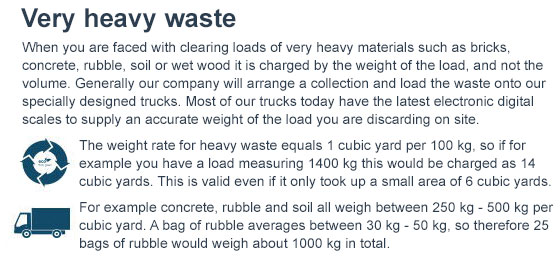
- you are disposing of heavy furniture or builders waste
- the property sits on a busy road and stopping time is limited
- there are low trees, walls, fences, or a tight turning circle
It also makes sense for landlords, estate agents, property managers, and homeowners preparing a sale or move. If you are aiming to tidy up before viewings or a completion date, access planning saves a lot of last-minute hassle. For people in that position, the local context can be helpful too; there are some useful articles on property sales in Harrow and buying in Harrow if you want to think about timing.
And yes, it is common for a job to look easy on paper and then become a bit fiddly in person. That is normal. Driveways have personalities, apparently.
Step-by-Step Guidance
If you want the collection to go smoothly, follow this process. It is simple enough, but each step saves trouble later.
- Measure the access route. Check the width of gates, passageways, and the driveway itself. If there are corners, measure the tightest turn, not just the widest point.
- Identify obstacles. Note steps, planters, bins, bikes, low branches, bollards, and anything else that might force a detour.
- Decide where the vehicle can park. Work out whether the van can use the driveway, stop nearby, or will need curbside loading.
- Sort items by size. Put bulky pieces together and keep smaller bags grouped. It helps crews plan the load sequence.
- Clear the route before arrival. Move cars, unlock gates, open side access, and remove anything that might snag or slip.
- Tell the collection team about the awkward bits. A narrow turn, a shared entrance, or a heavy item buried at the back is worth mentioning up front.
- Keep the route as open as possible on the day. Even a five-minute delay from moving a car can disrupt a tight schedule.
- Stay available for quick decisions. If a sofa needs dismantling or a gate is narrower than expected, a quick answer can keep the job moving.
A practical example? If you have garden rubbish at the rear of a terraced home but the only route out is through a narrow side passage, it is often better to set the waste near the passage entrance before the team arrives. That tiny bit of prep can save a lot of carrying time. Honestly, it is one of the easiest wins going.
For heavier clearances, you may also want to review builders waste clearance and skip hire, because access constraints often influence which method is best.
Expert Tips for Better Results
Here are the details that experienced teams notice straight away, and that homeowners often miss until the day arrives.
- Check the access at the same time of day the collection is booked. A driveway that looks easy at 10 a.m. can be a nightmare at school-run time with parked cars everywhere.
- Use photos, not just descriptions. A quick image of the gate, driveway, and load location gives a clearer picture than "it should be fine".
- Leave room for turning. Even if the van is not entering the driveway, it may still need a clean exit path.
- Keep fragile surfaces protected. If you have decorative paving or a resin drive, make sure anything sharp or heavy is moved carefully and not dragged.
- Separate wet waste from dry waste where possible. Wet bags, garden clippings, and broken materials can make handling messier and heavier than expected.
- Choose the route with the least damage risk, not just the shortest distance. Shortest is not always safest. Not even close.
- Ask about dismantling. A wardrobe that will not clear a gate might only need a couple of screws removed. Simple fix, big difference.
One more thing: if access is truly tight, be honest about it early. It is far better to say "the side route is narrow and there is a slope" than to hope for the best. Everyone can work with a realistic picture. Nobody enjoys surprises when carrying a refrigerator down a damp path.
For readers who like to compare service quality and expectations, the page on about us can help set the tone, while insurance and safety is useful if you want reassurance around handling and site risk.
Common Mistakes to Avoid
A lot of access problems are avoidable. The same few mistakes keep showing up.
- Underestimating gate width. This is the classic. A tape measure beats a guess every time.
- Forgetting about parked cars. Especially in shared streets or near busy junctions, access can change quickly.
- Leaving the driveway cluttered. Bins, tools, toys, and plant pots may seem harmless, but they slow everything down.
- Not mentioning difficult items. Large mirrors, mattresses, radiators, or awkward furniture often need a specific handling plan.
- Assuming "driveway access" means effortless access. It usually only means there is some kind of route. The quality of that route is another matter.
- Booking too tightly around other commitments. If the collection overruns by 20 minutes, your whole day can feel wobbly.
- Ignoring weather and surface conditions. Wet leaves, loose gravel, and a sloped drive can change the risk level fast.
There is also a trust issue here. If access is misdescribed, a quote may no longer fit the actual job. That is where misunderstandings start. You can avoid a lot of friction by being specific from the outset, even if the truth is a bit awkward.
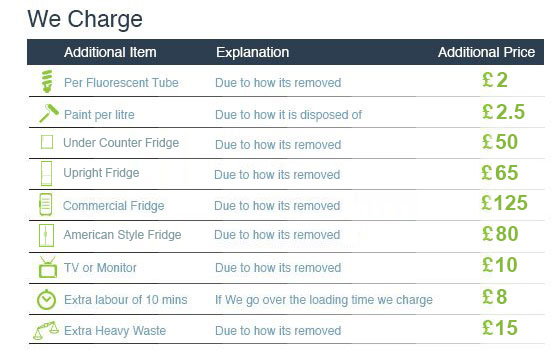
If you want to see what people sometimes miss when comparing costs, the article on hidden charges in waste removal is worth a read.
Tools, Resources and Recommendations
You do not need specialist equipment for most driveway rubbish removal jobs, but a few simple tools make a real difference.
| Tool or resource | Why it helps | Best use case |
|---|---|---|
| Tape measure | Confirms gate widths, turns, and clearances | Tight entrances and shared access routes |
| Phone camera | Shows real layout rather than guessed descriptions | Quotes, route checks, awkward obstacles |
| Gloves and sturdy footwear | Improves safety around broken or heavy items | DIY preparation before the team arrives |
| Torches or work lights | Helps see narrow side passages and steps | Early morning, late afternoon, or dark winter collections |
| Wheelbarrow or sack trolley | Useful for moving waste over short distances | Longer carry from rear garden or garage to driveway |
| Vehicle access notes | Reduces confusion on the day | Any job with parked cars, gates, or restricted turning |
On the information side, the most useful resources are often the simplest: a clear quote page, a service overview, and a direct conversation with the team handling the job. If you are comparing choices, the pages on pricing and quotes and service overview are practical starting points. For collection-focused jobs, rubbish collection and rubbish clearance are also useful references.
Law, Compliance, Standards, or Best Practice
For driveway rubbish removal, compliance usually sits in a few practical areas: safe handling, lawful waste transfer, responsible disposal, and avoiding nuisance or obstruction. You do not need to be a legal expert to make good decisions, but a little care helps.
In everyday terms, best practice means:
- not blocking a public pavement or road any longer than necessary
- keeping loading areas safe for workers and residents
- ensuring waste goes to an appropriate, legitimate disposal route
- being clear about what is being removed, especially if it includes heavier or mixed waste
- not leaving loose material where it can blow, spill, or create a hazard
If access is shared, be respectful of neighbours. That sounds obvious, but it is one of the most common sources of tension. A narrow drive is bad enough; a narrow drive and an upset neighbour is worse. Leave enough space, say hello, and keep the route tidy. A little courtesy goes a long way in places like Wealdstone where homes often sit close together.
It is also sensible to check the provider's terms, payment process, privacy arrangements, and general safety approach before you book. Those details are boring until they are not. The pages on terms and conditions, payment and security, privacy policy, and accessibility statement can help set expectations in a straightforward way.
Options, Methods, or Comparison Table
Different access situations call for different approaches. Here is a simple comparison.
| Method | Best for | Pros | Limitations |
|---|---|---|---|
| Direct driveway loading | Clear, open driveways | Fast, efficient, minimal carrying | Not suitable for tight or blocked access |
| Curbside or roadside loading | Homes with limited driveway room | Flexible if parking is possible nearby | May require more carrying and time |
| Staged collection | Bulky or mixed loads | Good for awkward layouts and bigger jobs | Needs more coordination |
| Disassembly before removal | Oversized furniture or fittings | Makes narrow access manageable | Takes extra prep and tools |
| Smaller vehicle approach | Very tight streets or narrow entrances | Can reach places larger vans cannot | May involve multiple trips |
Which is best? It depends on the shape of the property and the nature of the waste. A compact front drive with a clear path is perfect for direct loading. A terraced home with a narrow side alley might be better suited to staged collection. And if a bulky item will not fit through a gate, disassembly is often the smartest route. Not glamorous, but effective.
Case Study or Real-World Example
Here is a realistic example based on a common Wealdstone-type layout.
A homeowner had three broken wardrobes, several bin bags, and some old garden fencing stored behind a semi-detached house. The driveway itself looked fine from the front. But the real access route ran through a side passage with a slight slope, a narrow turn near the fence line, and a gate that opened inward only halfway because of a planter. On top of that, a neighbour's car often blocked the shared turning space in the late morning.
At first glance, the job sounded straightforward. In practice, it needed a bit of planning.
The solution was simple:
- the homeowner moved the planter and opened the gate fully before the crew arrived
- the team was told about the narrow turn and the slope in advance
- the wardrobes were partly dismantled so they could pass through the route safely
- the waste was staged closer to the driveway exit to reduce carrying distance
- the collection was booked for a time when the neighbour's car was less likely to be in the way
The result? The clearance still took a bit of effort, but it was calm, safe, and finished without damage. That is really the point. Access issues do not have to derail the job. They just need honest handling.
For similar practical local reading, you may find house clearance tips for Harrow Weald and Headstone Lane, collection options on Pinner Road, and common same-day pickup problems useful for thinking through access and timing.

Practical Checklist
Use this checklist before the collection day. A quick run-through now can save a lot of fiddling later.
- Measure the driveway, gate, and tightest access point
- Check for parked cars, bins, bikes, and garden clutter
- Confirm whether the vehicle can park on the drive or nearby
- Photograph the route from waste pile to loading point
- Tell the team about slopes, steps, low branches, or awkward turns
- Separate bulky items from smaller bags where possible
- Move anything fragile, loose, or likely to trip someone
- Unlock gates and clear the entry route before the crew arrives
- Make a note of any neighbour or shared-access issues
- Keep your phone handy in case a quick decision is needed
Quick takeaway: The more accurate your access description, the more likely the collection will feel easy. Not perfect, maybe. But easy enough.
Conclusion
Access issues for driveway rubbish removal in Wealdstone are rarely dramatic, but they do shape the whole experience. A clear route, realistic measurements, and a few small preparations can turn a potentially frustrating job into a smooth one. Whether you are clearing old furniture, garden waste, or mixed household rubbish, access is the detail that decides how easy the day feels.
The best approach is straightforward: look at the route honestly, say what is awkward, and plan for the real conditions rather than the ideal ones. That simple shift makes all the difference. And if your driveway is a bit of a puzzle, well, you are in good company.
Get a free quote today and see how much you can save.
If you are ready to move forward, start with the details you know and ask for guidance on the bits you are unsure about. A calm, accurate plan is usually all it takes. One good prep hour can save a whole messy afternoon.


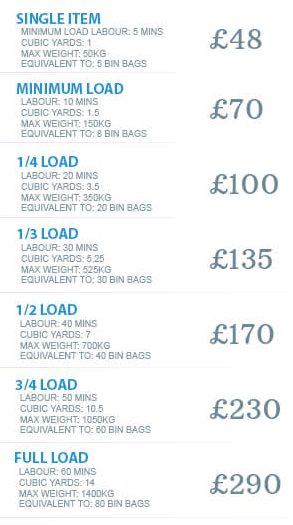
 Tipper Van - Rubbish Removal and Junk Collection Prices in Harrow, HA1
 Luton Van - Rubbish Removal and Junk Collection Prices in Harrow, HA1