Harrow council rules for bulky waste removal explained
Posted on 01/08/2026

If you have an old sofa wedged in the hallway, a broken wardrobe in the spare room, or a mattress that has somehow become part of the furniture, you are not alone. Bulky waste has a habit of hanging around far longer than it should. This guide to Harrow council rules for bulky waste removal explained breaks everything down in plain English so you can work out what is allowed, what usually causes problems, and which option makes the most sense for your situation.
To be fair, most people only look up bulky waste rules when the items are already blocking the path, the garage, or the front room. That is usually when the small details start to matter: what counts as bulky, how many items can go, whether you need a booking, and what happens if you put the wrong thing out. Let's get into it properly, without the jargon.
Why Harrow council rules for bulky waste removal explained Matters
Bulky waste is one of those things that sounds simple until you actually need to deal with it. A chair, a mattress, a fridge, a broken chest of drawers - all of them can create different disposal issues, and not everything can be treated the same way. If you ignore the rules, you can end up with missed collections, extra costs, or items left outside far longer than planned. And nobody wants that on a wet Thursday morning with the bin lorry rumbling round the corner.
The reason the rules matter is not just admin. They shape what you can present, how you should prepare items, and whether a council collection is even the best route. For some households, the council option is convenient and perfectly adequate. For others, a faster private service or a broader rubbish collection service in Harrow may fit better, especially if there are stairs, limited access, or more than a handful of large items.
There is also a practical side to compliance. Bulky waste that is left in the wrong place, put out on the wrong day, or mixed with prohibited materials can become a nuisance for neighbours. In terraced streets and tighter residential roads, that nuisance is amplified. One oversized mattress on a narrow pavement feels like three, especially when everyone is trying to get past with shopping bags and a buggy.
Understanding the rules also helps you make a cleaner choice about reuse, recycling, and disposal. Good bulky waste handling is not just about removal; it is about putting the right items in the right route so reusable things are not wasted and problematic items are kept separate.
How Harrow council rules for bulky waste removal explained Works
In practice, bulky waste removal usually follows a simple pattern: identify the items, check whether they are accepted, book the collection if required, and place everything out according to the instructions. That sounds easy. Sometimes it is. Sometimes it is not, because one item is fine and the next one is a nuisance item with a motor, liquid, or sharp edge hidden inside.
Harrow council bulky waste collections are generally for household items that are too large for normal bins. Think furniture, some white goods, and other large domestic items. The exact acceptance rules can change, so the safest approach is always to check the current Harrow council guidance before you book. When in doubt, ask a simple question: is this a normal household bulky item, or is it something that needs separate handling?
Most people need to think about four things:
- Item type: not every large item is accepted in the same way.
- Preparation: some collections expect items to be clearly separated and easy to lift.
- Access: the collection point needs to be reachable without creating hazards.
- Timing: bookings and collection windows matter more than people expect.
If you are dealing with a larger clear-out, such as a home move or a property refurbishment, council bulky waste can be just one part of the plan. In those cases, a broader service like house clearance in Harrow or loft clearance may be the more sensible route because it handles mixed loads rather than a single item or two.
One thing people often miss is access. A bulky item might be perfectly acceptable, but if it needs to be carried through a narrow hallway, down steep steps, or around a parked car, the practical challenge can become the real issue. That is where local knowledge helps. In parts of Harrow with tighter driveways or shared access, the logistics matter almost as much as the item itself. We cover more on that kind of issue in this guide to driveway access problems in Wealdstone.
Key Benefits and Practical Advantages
There are good reasons people still use council bulky waste services. The main one is simplicity. You do not have to hire a van, ask a neighbour for help, or spend Saturday afternoon trying to angle a sofa through a doorway like you are in a badly planned escape room.
Here are the practical advantages in plain terms:
- Predictable process: you know there is a formal booking route and a set collection system.
- Local convenience: the service is designed for Harrow households, so it suits everyday domestic clear-outs.
- Less handling stress: once booked correctly, you avoid multiple trips to a disposal site.
- Cleaner sorting: separating bulky items from general rubbish supports better disposal outcomes.
- Reduced clutter: getting large items out quickly can make a room feel usable again almost instantly.
There is also a mental benefit, odd as that sounds. Clutter creates drag. A broken wardrobe in the corner is not just an object; it is unfinished business. Once it is gone, the room feels different. Lighter, somehow. You notice the floor again.
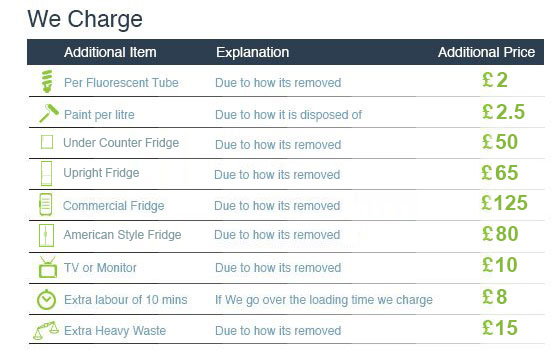
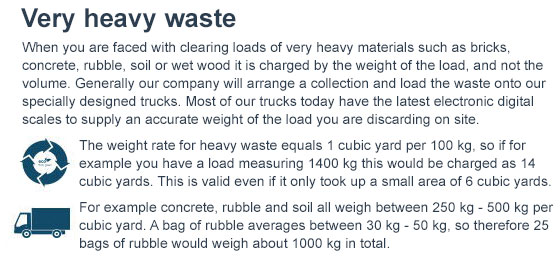
For some people, the main advantage is avoiding hidden surprises. If you book a service properly and understand what is included, you are less likely to be caught out. That is worth remembering if you have read about hidden charges in Harrow waste removal and want to keep things straightforward.
Who This Is For and When It Makes Sense
Bulky waste rules are relevant to far more people than just those doing a full house clear-out. In reality, they matter any time a large item will not fit in your regular waste stream.
This is especially useful for:
- homeowners replacing furniture or appliances
- tenants moving out and needing to clear one or two large items
- landlords preparing a property for new occupants
- estate agents and sellers tidying a property before viewings
- small businesses removing old office furniture
- people clearing garages, sheds, and lofts
For example, if you are staging a property for sale, bulky waste disposal can be part of a wider tidy-up before photos or viewings. In those cases, local context matters too. You may find helpful reading in the Harrow property sales guide or the Harrow real estate buyer's guide, especially if you are trying to present a home neatly and quickly.
It also makes sense when you have mixed waste and a small time window. Maybe the sofa needs to go today because the new one is arriving tomorrow. Maybe the loft has become a storage battleground. Maybe the office has ten old chairs and a filing cabinet that nobody claims. We have all seen that kind of thing - one room quietly becomes a holding bay for forgotten stuff.
If you only have a single bulky item, the council route may be enough. If you have a mixed load, repeated removals, or anything awkward to carry, a specialist disposal option may be more efficient. That is where services like furniture disposal in Harrow or junk removal can be worth considering.
Step-by-Step Guidance
If you want the process to go smoothly, treat it like a short project rather than a quick afterthought. A little preparation saves a lot of back-and-forth.
- List the items carefully. Write down what needs removing and separate anything you are unsure about. A wardrobe is not the same as a dismantled wardrobe, and that detail matters.
- Check acceptance rules. Confirm whether your item type is allowed, especially for fridges, freezers, mattresses, or anything with electrical parts.
- Measure access. Check door widths, stair turns, and where the item will be placed. If you can barely pivot a mattress at the top of the stairs, there may be a problem.
- Book early. Collections are easier when you are not rushing. People often leave this until the last minute and then wonder why the calendar suddenly feels full.
- Prepare the items. Remove loose contents, tape up drawers if needed, and separate items that need different handling.
- Place them where instructed. Put the waste out exactly where requested and at the right time.
- Keep the pathway clear. Make sure there are no bikes, plant pots, or cars blocking access.
If your bulky waste forms part of a bigger clear-out, think in zones. Kitchen, loft, garage, garden. It sounds a bit tidy-and-formal, but it saves confusion. A room-by-room approach is also useful when comparing council collection against a more comprehensive rubbish clearance service in Harrow.
One practical detail that can trip people up: if an item is too heavy or awkward for one person to move safely, do not force it. This is not the moment to prove a point. Safety first, always. The item will still be there after you fetch help.
Expert Tips for Better Results
Here is the part that tends to save time, money, and a small amount of frustration. These are the little things people learn after doing this a few times - or after one very annoying failed collection.
- Separate reuse from disposal. If something is still usable, consider whether it can be passed on before it becomes waste.
- Group similar items together. It makes handling simpler and reduces confusion on collection day.
- Double-check the item list the night before. It sounds basic, but the wrong item can cause the whole collection to stall.
- Photograph awkward items. If you are unsure how something will be handled, a photo helps clarify what you mean.
- Allow extra time for access. Narrow hallways, shared entrances, and parking constraints can slow everything down.
A good rule of thumb: if the item feels borderline, treat it as borderline. That means checking it properly rather than assuming it is fine. A little caution saves an awkward conversation later.
For people living in busier parts of the borough, this becomes even more important. Around stations, on main roads, or in denser residential streets, collection timing can be affected by parking and access. If you have ever tried to move a heavy chair out while someone is delivering a parcel at the same moment, you will know exactly what I mean.
And yes, if you need broader support, there is no shame in using a service that handles the lot in one go. Sometimes the cleanest solution is simply the one that reduces stress. A practical example would be pairing bulky waste removal with garage clearance or office clearance when the space is genuinely full.

Common Mistakes to Avoid
Most bulky waste problems come from a handful of repeat mistakes. Nothing exotic. Just small oversights that snowball.
- Assuming every large item is accepted. Electrical items, hazardous contents, and mixed materials can need separate handling.
- Leaving items in the wrong place. If the instructions say front boundary, do not leave them by the rear gate.
- Forgetting to dismantle when needed. A wardrobe that is too large to carry as one piece may need partial disassembly.
- Mixing bulky waste with general rubbish. It creates sorting issues and can lead to refusal.
- Ignoring access problems. If the collection vehicle or team cannot reach the item safely, the job becomes complicated very quickly.
- Waiting too long to book. Delays are common, especially when everyone else has had the same thought this week.
Another mistake is assuming a skip is always the answer. Sometimes it is. Sometimes it is not. If you only have a couple of large items, a skip may be unnecessary. If you have mixed debris from a project, it may make sense. The better choice depends on volume, access, and how fast you need it gone. For a broader view, skip hire in Harrow is worth comparing with collection-based options.
One more thing. People often underestimate how long it takes to clear pathways before collection. It is usually ten minutes of effort that you wish you had spent earlier. Simple, but true.
Tools, Resources and Recommendations
You do not need much equipment for a basic bulky waste job, but a few simple tools can make the process far easier.
- Measuring tape: useful for checking doorways, stair turns, and item dimensions.
- Gloves: especially if items have sharp staples, broken edges, or dusty surfaces.
- Basic screwdriver or drill: helpful if furniture needs dismantling.
- Strong tape or straps: useful for securing drawers, doors, or loose parts.
- Blankets or floor protection: handy when moving items through narrow hallways.
On the planning side, a short written list is often better than trying to remember everything. That sounds almost too obvious, but the number of people who forget the second chair, the footstool, or the broken shelf is not small.
For people who want a smoother overall experience, it can help to explore the wider support pages on services overview, pricing and quotes, and recycling and sustainability. Those pages are useful if you are trying to match the right service to the right kind of waste, rather than guessing and hoping for the best.
If you are still unsure, the most sensible next step is often to ask for guidance before the collection day. That applies whether you are dealing with one bulky item or a larger clear-out after a move. A short conversation now can save a long headache later.
Law, Compliance, Standards, or Best Practice
Bulky waste handling in the UK is shaped by basic waste-duty principles: waste should be managed responsibly, kept separate where needed, and handled safely. For householders, the practical takeaway is straightforward - do not leave dangerous, restricted, or unsuitable items with a normal bulky waste load unless the service has clearly said they are accepted.
In plain English, best practice means three things:
- Check what is accepted: do not assume an item is fine just because it is large.
- Present waste safely: avoid sharp protruding parts, loose contents, or unstable piles.
- Use the correct route: some items belong in specialist disposal streams rather than standard bulky waste.
That is especially relevant for items with electrical components, liquids, chemical residues, or sharp fittings. A broken freezer, for instance, is not just a big box. It is an item that may require different handling from a sofa. The same goes for anything that might leak, spill, or create a handling risk.
There is also a neighbourly standard, if you like. Even where rules are flexible, good practice means not blocking pavements, not creating trip hazards, and not leaving waste out early. In a place like Harrow, where streets vary from quiet residential roads to busier routes and tighter frontages, keeping the area tidy matters. It shows a bit of respect, really.
If the job feels more complex than a standard council collection, that is often a sign to use a more comprehensive removal route. Pages like insurance and safety and payment and security are useful reminders to check the basics before you book any service. Not glamorous, but sensible.
Options, Methods, or Comparison Table
There is no single best option for every bulky waste job. The right choice depends on volume, speed, access, and whether the items are straightforward household goods or part of a bigger clearance.
| Option | Best for | Strengths | Possible drawbacks |
|---|---|---|---|
| Council bulky waste collection | One-off household items | Structured, local, simple for small jobs | May have booking rules, item limits, and less flexibility |
| Private bulky item removal | Urgent or awkward collections | Often quicker, more flexible, helpful for tight access | Usually depends on load size and service scope |
| Skip hire | Mixed waste from a project or larger clear-out | Good for volume and staged loading | Needs space, may be unsuitable for narrow access |
| Full clearance service | Garages, lofts, rooms, or whole-property clear-outs | Takes care of sorting and loading for you | More than you need for a single item |
As a rule, if the job is small and simple, the council route can be ideal. If the job is time-sensitive, physically awkward, or more than a couple of items, a broader removal service often ends up being the better fit. The trick is being honest about the job size before you commit. People get caught out when they describe "just a few bits" and then remember the bed frame, the desk, the broken chair, the old chest of drawers, and the garden bench. You know how it goes.
Case Study or Real-World Example
A typical Harrow household scenario might look like this. A family in a semi-detached home is getting ready to replace the sofa, the old mattress, and a damaged wardrobe from the spare room. At first glance it seems like a simple bulky waste job. But when they start moving things, they realise the wardrobe has to be dismantled, the mattress is too large to squeeze down the stairs cleanly, and the hallway is narrow enough that the front door has to stay open for a careful angled carry.
They have two choices. Book a standard bulky waste collection and prepare each item carefully, or arrange a more hands-off removal option that can deal with dismantling and loading in one visit. Because they also want to clear a pile of cardboard and broken small items from the loft, the second option ends up making more sense. It saves them from splitting the job into separate collections and frees the room in one go.
In another case, a landlord clearing a flat near a busy road may choose a quicker collection service because access is awkward and there is limited parking. The main lesson? The "right" bulky waste method is not just about cost. It is about how the space actually works on the day. That part gets ignored far too often.
If you are dealing with a property that is being prepared for viewings or a sale, you may also find it helpful to look at a local perspective on living in Harrow and a guide to the area. Those articles offer useful local context when you are deciding what needs to go and what should stay.
Practical Checklist
Use this before you book or place any bulky waste out for collection.
- Make a list of every item to be removed.
- Separate reusable items from waste.
- Check whether any item has electrical parts, liquids, or hazardous components.
- Measure doorways, stair turns, and access points.
- Confirm the collection method and timing.
- Dismantle furniture if needed and safe to do so.
- Keep pathways clear for safe access.
- Place items exactly where instructed.
- Double-check that no prohibited waste has been mixed in.
- Keep paperwork, booking details, or confirmation messages to hand.
If you are dealing with a bigger property job, it may be worth comparing bulky waste with other clearance options such as garden waste removal or builders waste clearance. That helps you avoid trying to force everything into one category when the contents are clearly mixed.
Get a free quote today and see how much you can save.
Conclusion
Once you strip away the admin, Harrow council rules for bulky waste removal are mostly about good organisation, safe handling, and putting the right items into the right route. If you have one or two large household items, the council system may be all you need. If you are clearing a room, a garage, or a whole property, a more flexible removal option could save you time and a fair bit of lifting.
The best results usually come from a simple mindset: check the item list, prepare properly, do not guess, and make the collection as easy to complete as possible. That is what avoids delays, refusals, and last-minute scrambles.
And honestly, there is a nice feeling when the last bulky item is gone and the space suddenly breathes again. A bit of sunlight on an empty floor. A room that finally feels like a room. Small thing, but it matters.
If you want help planning your next clearance, start with the basics, ask the right questions, and choose the route that fits your property, your timeline, and your sanity. That is usually the winning combination.


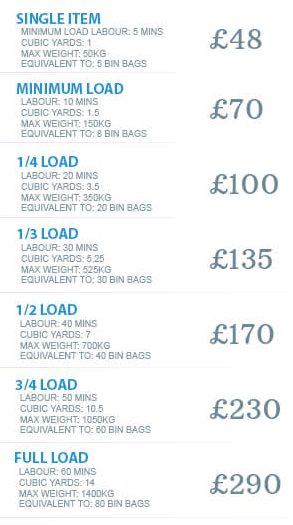
 Tipper Van - Rubbish Removal and Junk Collection Prices in Harrow, HA1
 Luton Van - Rubbish Removal and Junk Collection Prices in Harrow, HA1