Harrow council waste disposal compliance for businesses and shops
Posted on 11/09/2026
If you run a shop, cafe, salon, office, or small business in Harrow, waste can become one of those background jobs that only gets noticed when something goes wrong. A missed collection. A black bag left outside too early. A broken cardboard stack blocking the pavement. Suddenly, you are dealing with complaints, avoidable costs, or worse, a compliance issue that eats into your week.
This guide explains Harrow council waste disposal compliance for businesses and shops in plain English. You will learn what compliant waste handling usually involves, why it matters, how to set up a simple system, and where businesses often trip themselves up. It is written for real day-to-day use, not theory. Because let's face it, most business owners do not need more jargon. They need a clear process that actually works on a busy Tuesday morning.
For businesses juggling stock deliveries, customer footfall, staff shifts, and tight premises, waste compliance is not just a legal box to tick. It is part of keeping the shop running smoothly and professionally. If you also manage larger clear-outs, you may find it helpful to review the wider services overview or the practical advice in our recycling and sustainability guidance.

Why Harrow council waste disposal compliance for businesses and shops Matters
Waste compliance matters because commercial waste is not treated the same way as household rubbish. A business has a duty to manage its waste properly, keep it separate from domestic waste, and hand it over to the right collector. In practical terms, that means you cannot just leave a few bags beside the public bins and hope for the best. Harrow council waste disposal compliance for businesses and shops is about making sure your rubbish is stored, transferred, and collected in a way that is lawful, tidy, and traceable.
For shops in particular, the risks show up quickly. Cardboard can blow into the street before opening time. Food waste can attract pests. Broken fixtures from a refit can clutter access routes. A back alley that looked manageable at 8 a.m. can be a headache by lunchtime. And if your waste is not managed properly, it can create a poor impression for customers and neighbouring businesses alike.
There is also a reputational side to this. A neat frontage says a lot. A messy one says even more, and not in a good way. Customers notice overflowing packaging, and neighbouring traders notice if you are the source of repeated spillover. To be fair, most businesses do not set out to be careless; they are simply busy. But compliance systems are there precisely because busy places need structure.
Expert takeaway: commercial waste compliance is less about paperwork for its own sake and more about having a reliable routine: segregate waste, store it safely, use the right collector, and keep proof of disposal.
If you are handling a one-off clearance before a refit or relocation, you may also want to look at office clearance support and builders waste clearance for larger, more complex jobs.
How Harrow council waste disposal compliance for businesses and shops Works
At a practical level, compliance starts with understanding what type of waste you produce. A bakery produces different waste from a clothing shop. An electronics repair shop has different concerns again. Once you know what you are dealing with, you can set up collection and storage arrangements that match it.
Most business waste systems revolve around five basic steps:
- Identify the waste types you produce.
- Separate recyclable, general, and special waste where relevant.
- Store waste securely and without causing obstruction.
- Arrange collection through a suitable commercial waste route.
- Keep records, receipts, or transfer notes where required.
That sounds neat on paper. In reality, it often means making small decisions throughout the day. For example, should cardboard be flattened and tied before pickup? Where will shrink wrap go? Who checks that any bins are lidded and not leaking? These are tiny questions, but they are the questions that keep a site compliant and manageable.
Harrow council waste disposal compliance for businesses and shops is also about timing. Commercial waste should not be put out in a way that blocks pavements or public access. Shops on busy roads often need a strict routine for putting bins out only at the right time and bringing them back in promptly. A corner shop near a morning rush can look fine at 7 a.m. and chaotic by 9 a.m. if the waste routine is sloppy.
When businesses use a licensed waste carrier or a professional clearance service, the process is usually simpler. For routine or periodic support, many owners prefer a predictable collection schedule. For ad hoc jobs, a one-off rubbish removal can be more practical. If your business needs a flexible solution, rubbish collection in Harrow and waste removal support can be a better fit than trying to improvise with skip storage in a tight trading area.
Key Benefits and Practical Advantages
Good waste compliance does more than avoid trouble. It makes the whole site easier to run. Shops that get this right often notice fewer interruptions, fewer awkward conversations with neighbours, and less time spent untangling bin issues after a delivery rush.
- Cleaner customer-facing areas: waste is kept out of sight, and the shopfront looks more professional.
- Lower risk of pests and odours: especially important for food retail and hospitality.
- Better staff efficiency: when everyone knows where waste goes, no one wastes time guessing.
- Reduced trip and obstruction hazards: important for staff entrances, back lanes, and shared access routes.
- Improved supplier relationships: receiving areas stay clearer and easier to use.
- More predictable costs: structured waste handling usually reduces emergency clear-ups and last-minute charges.
There is also a quieter benefit that people sometimes miss: waste compliance makes a business feel calmer. Less clutter. Less scrambling. Fewer half-finished piles waiting by the back door. That calm matters, especially when you are dealing with customers face to face.
For retailers managing old shelving, stock packaging, or surplus fixtures, it can also help to pair routine waste management with a one-off clearance service. For example, furniture disposal is often a smarter route than trying to break down bulky items on site. And if you have old equipment mixed with packaging, a broader junk removal approach may save time.
Who This Is For and When It Makes Sense
This topic applies to a broad mix of Harrow businesses and shops. If you are wondering whether this is really for you, the short answer is probably yes if you produce commercial waste of any kind.
It is especially relevant for:
- independent shops and convenience stores
- cafes, takeaways, and small food businesses
- salons, barbers, and beauty studios
- offices above retail units
- estate agencies and service businesses with customer-facing premises
- pop-up traders and seasonal sellers
- businesses undergoing a refit, move, or stockroom clear-out
There are moments when waste compliance becomes urgent rather than routine. A new lease. A sudden increase in stock. A refurbishment. A change in trading hours. Even a short disruption can create a pile-up faster than expected. If that sounds familiar, you are not alone. Many businesses only review their system when the back area has already become annoying to work around.
Shops in busier parts of Harrow may also have added access constraints. Narrow pavements, shared alleyways, and limited parking can all make waste storage and collection more sensitive. In those situations, having a plan matters more than having a big bin. A sensible setup beats a giant bin with no discipline every time.
If your premises are part of a broader move or expansion, related local reading such as Harrow property sales guide or a Harrow real estate buyer's guide can be useful background for understanding the local commercial environment. Different context, yes, but the same principle: planning upfront saves stress later.
Step-by-Step Guidance
Here is a practical way to set up Harrow council waste disposal compliance for businesses and shops without overcomplicating it.
- List every waste stream. Write down what your business throws away in a normal week. Cardboard, plastic wrapping, general rubbish, food waste, broken stock, old displays, confidential paper, and anything else that shows up regularly.
- Separate waste at the point of disposal. Put different bins, sacks, or containers in the right places. If staff have to think too hard, the system will fail on a busy shift.
- Check storage space. Can you keep waste off the pavement, dry, and secure? If not, adjust the setup before it becomes a nuisance.
- Choose the right collection method. Routine commercial collections work for regular waste. One-off collections work for clear-outs. Skip hire can be suitable for larger, ongoing jobs if space allows. Small sites often do better with direct removal.
- Train staff briefly but clearly. A five-minute induction beats a long policy nobody reads. Show them what goes where and who to ask if something unusual turns up.
- Keep evidence of proper disposal. In commercial settings, records matter. File receipts, transfer notes, or service confirmations so you can show waste went to an appropriate route.
- Review monthly. Waste systems drift. New packaging arrives. Trading patterns change. Refits happen. A quick monthly review usually catches problems before they become expensive.
One useful habit is to walk the back-of-house area at the end of the day, not during the rush. You will notice different things in quieter light. A rogue box. A sticky patch. A bin that is always overflowing on Fridays. Small observation, big impact.
Expert Tips for Better Results
If you want the waste system to hold up under real pressure, not just on the day it is installed, these are the habits that usually make the difference.
- Design around your busiest hour. Set the system for the worst part of the day, not the calmest.
- Keep bins visible but not in the way. Staff are more likely to use what they can see without having to step over it.
- Match container size to real output. A tiny bin in a high-turnover shop is a false economy.
- Use labels that make sense to staff. "Mixed packaging" often works better than a technical term nobody understands.
- Plan for wet weather. Cardboard that gets soaked in a side alley quickly becomes a nuisance.
- Schedule collections around deliveries. If the collection truck arrives just as stock is coming in, things get messy fast.
Another tip: do not leave compliance in one person's head. If only the manager knows the system, it breaks when the manager is off. That is one of the most common weak points, and it is avoidable. Keep the process simple enough that a new starter can follow it after one explanation.
And if your shop regularly generates awkward bulky items, such as displays, broken chairs, or worn-out shelving, it can be worth linking your routine collection plan with a planned clearance route. A service like skip hire in Harrow may suit longer projects, while smaller jobs are often better served by direct rubbish clearance.

Common Mistakes to Avoid
Most waste compliance problems are not dramatic. They are boring little habits repeated for long enough. That is what makes them dangerous. Here are the mistakes we see most often.
- Mixing business waste with household waste. It may seem harmless, but it muddies responsibility and can cause collection problems.
- Leaving bags outside too early. This is a classic issue for shops on busy streets. The earlier the bags go out, the longer they sit.
- Using the wrong collector. If someone cannot show they are licensed or suitable for the waste type, do not use them.
- Ignoring bulky waste. One old till unit or a pile of broken shelving can take up more room than you expect.
- Overfilling bins. Lids that will not close are a sign the system is already failing.
- Assuming someone else will deal with it. This one causes more headaches than people admit.
There is also a hidden mistake: failing to think about access. A collection plan that works on paper may collapse if the truck cannot reach the back, if a delivery lorry blocks the route, or if bins are moved around by staff during opening hours. In local trading areas, access is often the thing people forget until it is too late.
If access is a recurring problem, related practical advice like driveway rubbish removal access issues in Wealdstone can help you think through the same kind of pinch points, even if your site is a shop rather than a driveway. Different setting, same headache, honestly.
Tools, Resources and Recommendations
You do not need fancy systems to stay compliant. Most small businesses do well with straightforward tools and a little discipline.
- Clearly labelled containers: use different containers for cardboard, general waste, and any special streams you produce regularly.
- Simple waste log: a notebook, spreadsheet, or shared document is enough for tracking collections and irregular clearances.
- Staff instructions sheet: one page near the back entrance can prevent a lot of confusion.
- Weekly checklist: check lids, overflows, access routes, and storage space before the week gets away from you.
- Photo record for unusual items: useful for bulky clear-outs and fit-out waste.
For many Harrow businesses, the best resource is not more documentation. It is a clearer process. Keep it practical. Use language your team actually uses. If your staff call it "the back bag" or "the cardboard corner", fine. The point is consistency, not elegance.
For businesses that are comparing support options, these pages may also help with broader decision-making: pricing and quotes, payment and security, and insurance and safety. They are useful when you want to understand the practical side before booking anything.
Law, Compliance, Standards, or Best Practice
Commercial waste in the UK is governed by general legal and environmental duties that place responsibility on the business producing the waste. In plain English, that means your business should use an appropriate waste carrier, manage waste responsibly, and keep enough evidence to show where the waste went. Exact obligations can vary depending on waste type, premises type, and whether the waste is general, bulky, hazardous, or confidential.
For shops and small businesses, best practice usually includes:
- separating recyclable material where practical
- avoiding contamination of recycling streams
- storing waste so it does not create health, safety, or nuisance issues
- keeping transfer notes or equivalent records for collections
- using a reputable disposal route for bulky or mixed items
If your waste includes anything unusual, such as electrical items, chemicals, sharp materials, or confidential paperwork, take extra care. Those streams may need special handling. It is better to pause and check than to guess. A rushed decision can turn a simple clear-out into a real compliance headache.
Best practice also means being honest about what your site can handle. A tiny back yard does not magically become a storage yard because the bins are full. If access, storage, or collection timing is tight, a tailored commercial clearance plan is usually safer than trying to make a standard setup do too much.
Options, Methods, or Comparison Table
Different businesses need different methods. The right choice depends on how much waste you produce, how often, and how much space you have on site.
| Method | Best for | Strengths | Limitations |
|---|---|---|---|
| Routine commercial collections | Shops with steady daily waste | Predictable, tidy, easy to plan around trading hours | May be less flexible for one-off bulky items |
| One-off rubbish removal | Clear-outs, stock changes, short projects | Fast, practical, useful when waste is irregular | Not ideal for ongoing daily waste streams |
| Skip hire | Larger refits or higher-volume jobs | Handles bulk, useful for staged work | Needs space and can be awkward on tight sites |
| Dedicated bulky item disposal | Fixtures, fittings, old furniture, display units | Efficient for heavy or awkward objects | Not suitable for everyday mixed rubbish |
The best option is often a combination. A shop might use routine collections for day-to-day rubbish, then call in a separate service for a quarterly clear-out. That is normal. In fact, it is usually the cleanest solution.
For businesses whose waste includes old desks, reception chairs, storage units, or worn stockroom pieces, furniture disposal in Harrow is often the most efficient route. For trading premises that need a broader tidy-up, office clearance can work alongside commercial waste management rather than replacing it.
Case Study or Real-World Example
Imagine a small independent shop near a busy high street. The owner starts with one bin for general waste and a pile of flattened cardboard tied behind the counter. For a while, it works. Then stock arrives in larger volumes. Staff begin leaving packaging by the back door "just for now". One collection is delayed. The cardboard stack gets damp in the rain. A delivery arrives before the bins are cleared. By Friday, the whole back area feels chaotic.
Nothing illegal has happened yet, but the system is already fragile.
The owner decides to reset things. Cardboard is separated at the point of unpacking. General waste gets a second container. Collection timings are moved to avoid delivery hours. Staff get a simple instruction sheet. Bulky items from a display refresh are booked for one-off removal rather than left to accumulate.
Within two weeks, the difference is obvious. The back entrance is easier to use. There is less odour. Staff are not wasting time moving piles around. Customers walking past the side alley no longer see a cluttered mess. And the owner stops thinking about waste all day, which, to be fair, is half the battle.
This kind of reset is common. It is not about being perfect. It is about making the system realistic for the way the business actually runs. A compliance routine that survives a wet Wednesday in November is a good routine.
Practical Checklist
Use this checklist if you want a fast sanity check for Harrow council waste disposal compliance for businesses and shops.
- Have you identified every waste stream your business produces?
- Are recyclable materials kept separate where practical?
- Do your bins or storage containers close properly?
- Is waste stored so it does not block public access or create nuisance?
- Do staff know where waste goes and who handles unusual items?
- Are collections arranged with a suitable commercial waste route?
- Do you keep records for collections and clearances?
- Have you checked access for vehicles, delivery times, and trade hours?
- Do you have a plan for bulky items and one-off clear-outs?
- Have you reviewed the setup in the last month?
If you can tick most of those off, you are already ahead of many small businesses. If not, that is okay too. Start with the easiest fixes first. Waste systems get better in steps, not all at once.
For local support or to discuss a commercial waste job in more detail, you can always contact the team here and talk through the practical side before booking anything.
Get a free quote today and see how much you can save.
Conclusion
Harrow council waste disposal compliance for businesses and shops is really about control. Control over where waste goes, how it is stored, when it is collected, and whether your premises stay safe and presentable. Once you have a clear system, the whole thing becomes much less stressful. No drama. No mystery. Just a routine that fits the way your business works.
The businesses that handle waste well usually do three things consistently: they keep waste separate, they choose the right removal method, and they do not leave the system to chance. That is the heart of it. Everything else hangs off that.
If you are in the middle of a refit, a stock refresh, or a long-overdue clear-out, it is worth dealing with waste properly now rather than patching it together later. Small improvements add up quickly, and a tidy, compliant site usually feels better to work in straight away. A bit less mess. A bit more calm. That matters more than people admit.
And if today is one of those days when the back of the shop looks like it has had a rough week, take a breath. It is fixable.


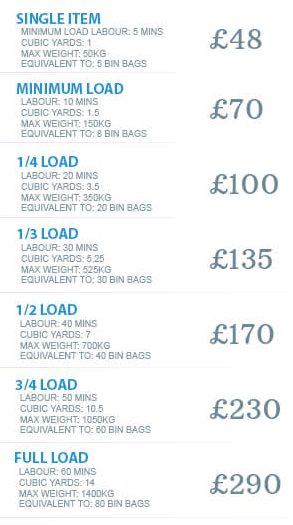
 Tipper Van - Rubbish Removal and Junk Collection Prices in Harrow, HA1
 Luton Van - Rubbish Removal and Junk Collection Prices in Harrow, HA1