Permits and fines for fly tipping in Harrow what to know
Posted on 22/10/2026
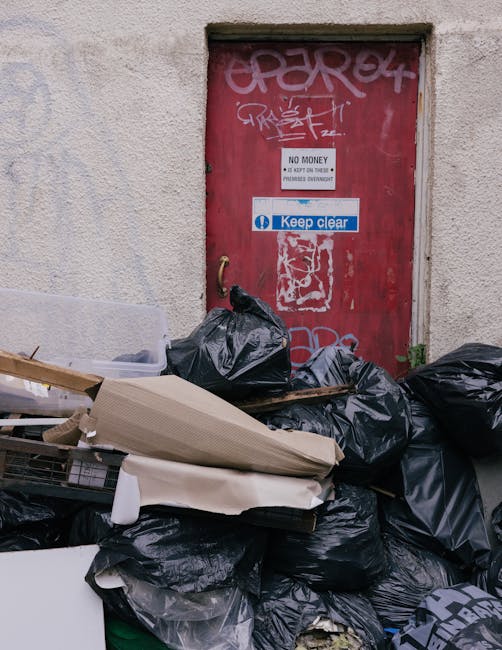
If you are trying to work out permits and fines for fly tipping in Harrow what to know, you are probably dealing with one of two situations: you need to dispose of waste properly, or you have already spotted dumped rubbish and want to understand what happens next. Either way, it is worth getting clear on the rules before a small mistake turns into a bigger headache. Fly tipping can lead to enforcement action, reputational damage, messy clear-up costs, and, in some cases, penalties that are far more painful than arranging a lawful collection in the first place.
This guide breaks down the practical side of it in plain English. We will look at what counts as fly tipping, when permits may be needed, how fines can arise, what Harrow residents and businesses should watch out for, and how to avoid the traps that usually catch people out. There is also a checklist, a comparison table, and a real-world style example to help you judge the safest next move. No jargon for the sake of it. Just the useful stuff.
- Why it matters
- How it works
- Key benefits and practical advantages
- Who this is for and when it makes sense
- Step-by-step guidance
- Expert tips for better results
- Common mistakes to avoid
- Tools, resources and recommendations
- Law, compliance, standards, or best practice
- Options, methods, or comparison table
- Case study or real-world example
- Practical checklist
- Conclusion
- Frequently asked questions
Why Permits and fines for fly tipping in Harrow what to know Matters
Fly tipping sounds like a messy corner-case issue, but in real life it affects roads, alleyways, estates, back lanes, business parks, and even quiet residential streets. A sofa left by a wall, bags of builders' waste at the kerb, or a load of garden cuttings dumped without permission can quickly become a local nuisance. The smell, the fly activity, the blocked access, the feeling that nobody is in control - it all adds up.
For residents, the risk is simple: if you hand waste to the wrong person, or leave it somewhere that is not permitted, you may still be held responsible. For landlords, letting agents, tradespeople, and businesses, the stakes are even higher because waste from one job can become a compliance issue for the whole operation. That is why permit questions and fine risks matter together. They are really two sides of the same thing: lawful disposal.
In Harrow, as in the rest of London, people often get tripped up by the distinction between a lawful collection and an unlawful dump. A neighbour might offer to "take it away cheap", a builder might suggest leaving debris near a shared access point for a day or two, or a skip might be put out before all the details are sorted. Those little shortcuts are where trouble starts. Honestly, that is how a lot of avoidable problems begin.
If you are also dealing with a property move, refurbishment, or a full clearance, it helps to think ahead. Our local guides on selling property in Harrow and buying in Harrow both touch on how waste, access, and timing can affect a transaction. A tidy, compliant site is not just nicer to look at; it reduces friction.
How Permits and fines for fly tipping in Harrow what to know Works
First, the plain-English version: a permit is permission to place or use something in a public space or controlled area in a way that would otherwise not be allowed. With waste, that often means things like a skip permit for placing a skip on a public road, or, in some cases, permission connected to access, pavement use, or site management. The exact requirement depends on where the container goes, who manages the land, and what kind of waste activity is taking place.
Fly tipping, by contrast, is the illegal deposit of waste. It is not just "big dumping". Small bags dumped beside a bin can count. Building rubble left in a lay-by can count. A pile of cardboard in the wrong place can count if it has been abandoned rather than properly arranged for collection. The key idea is simple: if waste is left somewhere without lawful authority, it can become a fly-tipping issue.
Fines usually come into play in a few different ways. A person may receive a fixed penalty or a prosecution route may follow where the case is serious. Businesses can face stronger enforcement because commercial waste carries extra responsibilities. In some situations, the person who created the waste, the person who transported it, and the person who allowed it to be left there may all be looked at. That can be uncomfortable, to put it mildly.
There is also a practical layer that people forget: even if you are not the one being fined, fly tipping can create extra costs. You may need to arrange urgent clearance, document what happened, report the issue, or prove that you did things properly. If you have ever had to deal with a last-minute site problem on a wet Thursday afternoon, you know how quickly those extra tasks eat the day.
So the working rule is this:
- Use proper permission where a permit is needed.
- Keep waste on land you control only if you are allowed to do so.
- Use licensed and trustworthy removal arrangements.
- Do not assume a "quick drop-off" is harmless.
Key Benefits and Practical Advantages
Getting permits right and avoiding fly tipping is not only about staying on the right side of the rules. There are some very practical upsides too.
1. Less risk of enforcement headaches. If your disposal route is lawful, there is less chance of being challenged later. That matters whether you are a homeowner clearing a loft or a contractor clearing a site after a kitchen refit.
2. Cleaner projects and smoother access. Waste left in the wrong place can block footpaths, driveways, bin stores, or shared entrances. In areas with tight parking or narrow access, this becomes a real issue fast. We have seen this especially on jobs where timing and access need a bit of planning, like those discussed in our piece on driveway access challenges in Wealdstone.
3. Better cost control. A rushed clean-up after illegal dumping or permit problems often costs more than arranging the right disposal method from the start. It is the classic false economy. Annoying, yes. Familiar, also yes.
4. Better neighbour relations. Nobody enjoys looking at dumped rubbish for days. In a place like Harrow, where streets, estates, and shared areas can feel tightly knit, one untidy pile can become everyone's problem.
5. Stronger trust with landlords, buyers, and tenants. If you are managing a house clearance or sale, proper waste handling supports the overall presentation of the property. It shows care. That sounds small, but it matters.
For people arranging bigger jobs, it can be useful to compare disposal options before choosing one. Our services overview is a good starting point if you want to understand the types of support available, while recycling and sustainability gives a clearer sense of how waste can be managed more responsibly.
Who This Is For and When It Makes Sense
This topic matters to more people than you might first think. It is not just for builders or council officers.
- Homeowners clearing garages, lofts, gardens, or old furniture
- Landlords and letting agents dealing with end-of-tenancy waste
- Contractors and tradespeople handling builders' debris or packaging
- Office managers clearing desks, chairs, and equipment after refurbishments
- Estate sellers wanting a property to look presentable and lawful during a sale
- Residents who have found dumped waste and need to know what to do next
It makes sense to pay close attention when your job involves public land, shared access, timed collections, multiple loads, or anything that looks like "temporary storage" outside the property boundary. That is where permit questions usually appear. If you are not sure whether your waste is simple domestic rubbish or something more involved, pause and check. A few minutes now can save you a lot of awkwardness later.
For example, someone clearing a property after a long tenancy may think they can leave a pile at the edge of the road overnight until a friend collects it. That seems harmless. It often is not. Equally, a small business moving stock or furniture into temporary storage may assume the loading bay is "fine for now". Maybe it is, maybe it is not. The detail matters.
Step-by-Step Guidance
Here is a practical way to approach fly tipping prevention and permit checks without overthinking it.
- Identify the waste type. Is it household rubbish, garden material, furniture, mixed junk, or builders' debris? Different waste types can need different handling.
- Work out where it will sit before collection. Private driveway? Front garden? Shared path? Public road? The location often changes the rules more than people expect.
- Check whether a permit is needed. If anything is going into a public highway space or another controlled area, assume you need to confirm the rules rather than guessing.
- Choose a lawful disposal route. A trusted waste carrier, proper skip hire, or an arranged council-style bulky collection is safer than an informal handover.
- Keep records. If you are a business or landlord, retain confirmation of collection, dates, and who handled the waste. It is boring until you need it.
- Inspect the area after collection. Small items left behind can still create issues, especially if they blow away or spill into a public area.
- Act quickly if waste is dumped. Report and photograph it if appropriate, and avoid moving unknown materials with bare hands. Broken glass and sharps are not worth the gamble.
A simple rule of thumb: if the waste is leaving your control, you should be able to explain where it went and who took it. If you cannot, that is a red flag.
Expert Tips for Better Results
A few practical habits make a big difference here. In our experience, the people who avoid trouble are not necessarily the ones with the biggest budgets. They are usually the ones who plan the boring bit properly.
Be careful with "too good to be true" offers. A very cheap collection can mean no proper paperwork, no accountability, or waste being dumped somewhere else. You do not want your old sofa showing up in a ditch down the line. That is the sort of sentence nobody wants attached to their address.
Separate recyclable and reusable items where possible. This makes lawful disposal easier and often cleaner. It can also reduce the amount of mixed waste you pay to remove. A few minutes of sorting can save a surprising amount of hassle.
Plan for access. Harrow can be awkward in the same way many London areas are awkward: parked cars, narrow frontages, shared walkways, and the occasional staircase that feels like it was designed by someone with a grudge. If access is tight, talk it through in advance. Our guide to avoiding booking delays for junk removal is useful for that kind of planning.
Keep bulky waste off pavements unless you know the arrangement is valid. This is one of the easiest ways for things to go wrong. A neat pile can still become a problem if it sits where it should not.
If you are in doubt, ask before the waste is out. That simple habit prevents most disputes. Not glamorous, but very effective.
Common Mistakes to Avoid
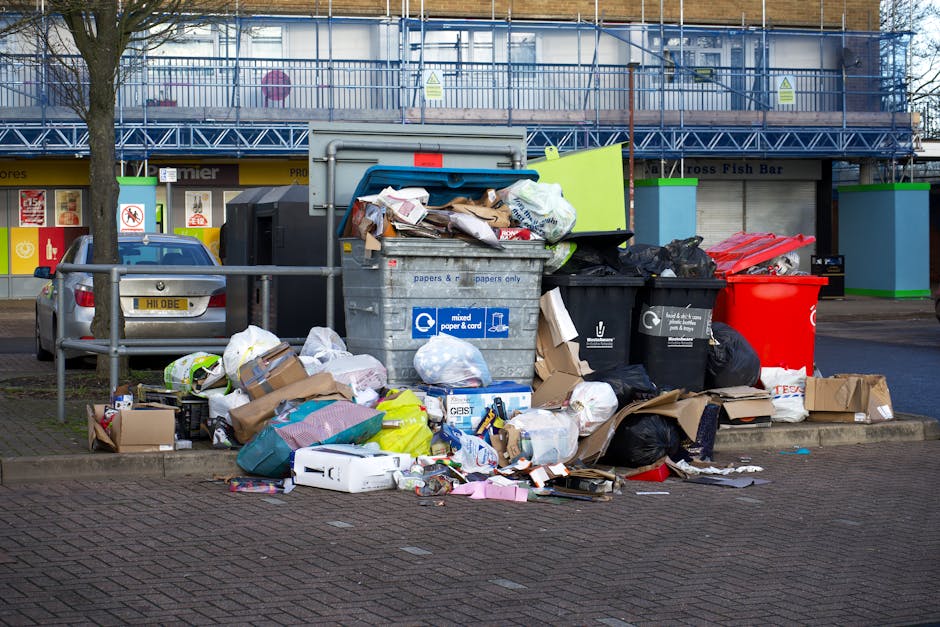
Most fly tipping and permit problems come from a handful of repeat mistakes.
- Leaving waste in a public place "just for a bit". Temporary in your head is not always temporary in legal terms.
- Using unverified collectors. If they cannot show they are legitimate, walk away.
- Mixing household waste with trade waste. Commercial waste has different responsibilities and is often treated more strictly.
- Assuming a skip can go anywhere. It often cannot. Roadside placement usually needs permission.
- Forgetting about shared land. Communal car parks, service yards, and estates can all have their own rules.
- Ignoring dumped waste because it is not yours. If it is near your site, it can still create operational or reputational trouble.
One little mistake I see a lot is this: people focus on the biggest item and forget the rest. They remove the old fridge, say, but leave bags, screws, carpet offcuts, and packaging behind. Then a week later the area looks half-finished and someone assumes the whole lot was abandoned. It only takes one bag to spoil the picture.
Tools, Resources and Recommendations
You do not need a huge toolkit for this topic, but a few practical things help.
- Phone camera: use it to record the waste condition, placement, and collection point before and after.
- Simple checklist: write down what is going, when it is leaving, and who is responsible.
- Measurements: rough dimensions matter for skips, access, and load planning.
- Proof of arrangement: keep messages, invoices, or booking notes together.
- Basic site notes: if there are parking constraints, shared entrances, or timing restrictions, record them.
If you are comparing disposal methods, it helps to read around the practical options. For example, skip hire in Harrow is useful when you have a larger volume and enough space, while rubbish collection in Harrow may suit quicker, smaller-scale clear-outs. If the job is more furniture-led, furniture disposal can be a better fit than a mixed-waste approach.
For bigger clean-outs, these pages are also worth a look: house clearance, garage clearance, loft clearance, and office clearance. Different jobs, different pressures. A one-size-fits-all answer usually is not the right answer.
Law, Compliance, Standards, or Best Practice
Without drifting into legalese, the main principle is straightforward: waste should be handled, transferred, and disposed of lawfully, with responsibility attached to the person or business creating or moving it. If you commission work, you should also be careful about who you use and what they do with the waste afterward. That is a core best-practice expectation in the UK waste sector.
For Harrow residents and businesses, the safest approach is to treat every disposal decision as a compliance decision, even when the job feels small. That does not mean every bag of rubbish needs a formal process. It means you should match the method to the risk. A garden tidy-up is not a demolition job. A sofa collection is not a skip filled with rubble. Use common sense, and then double-check the details.
One especially important point: if someone else offers to take your waste, you should still be satisfied that the arrangement is lawful. Handing waste to the wrong person can come back on you. That is not meant to scare you, just to be clear. The paperwork matters because responsibility matters.
For people wanting a clearer feel for trusted operations and service standards, pages like about us, insurance and safety, and payment and security are useful background reading. They help you judge whether a provider seems organised, transparent, and serious about safe work.
Options, Methods, or Comparison Table
When people ask about permits and fines, they often really want to know which disposal method is least risky and most practical. Here is a quick comparison to help.
| Option | Best for | Permit risk | Main caution |
|---|---|---|---|
| Skip hire | Large clearances, renovation waste, mixed bulky loads | Can be higher if the skip sits on a public road | Check placement, timing, and loading rules carefully |
| Man-and-van style rubbish collection | Smaller loads, quick clear-outs, household junk | Usually lower if waste is collected directly from private land | Use a legitimate carrier and confirm what is included |
| Bulky waste arrangement | Single items or scheduled local collections | Low when booked correctly | Timing and item restrictions can be strict |
| Informal drop-off or self-managed dumping | Basically nothing | Very high | High fly tipping risk and possible penalties |
To be fair, the best option is rarely the fanciest one. It is the one that fits the job, the space, and the rules. If your driveway is tight or your street is difficult for loading, read the practical notes on rubbish collection options on Pinner Road and a quick guide to rubbish removal in Harrow on the Hill for context.
Case Study or Real-World Example
Imagine a small landlord in Harrow clearing a flat between tenancies. There is an old mattress, a broken wardrobe, a few bin bags, and some leftover packaging from repairs. A neighbour offers to "dump it for a tenner" because he has a van. Tempting, right? Cheap, fast, one less thing to arrange.
But the landlord has no idea where that waste ends up. If it is fly tipped, the landlord may still be asked questions about how the waste was handed over. Instead, the landlord books a lawful collection, keeps the booking details, and asks for the waste to be taken in one go from the property. The price may be a bit higher upfront, but the risk is far lower. The job is also simpler to explain later, which is underrated until you need to explain it.
Now flip the example. A homeowner renovating a kitchen wants to place a skip on the road while the driveway is being used by contractors. Because the skip is on public land, the placement may need permission. If the homeowner checks that early, the project runs smoothly. If they leave it until the day before the skip arrives, things get tense, phone calls start, and the whole timeline gets messy. A small delay. A big sigh. We have all seen that kind of week.
The lesson is not that every waste task is complicated. It is that the difficult bits are predictable, and therefore avoidable.
Practical Checklist
Use this quick checklist before you leave any waste out or book a collection.
- Have I identified exactly what the waste is?
- Does the waste need to go on public land, even briefly?
- Do I know whether a permit or formal permission is needed?
- Have I chosen a lawful disposal method?
- Have I checked access, parking, and timing constraints?
- Can I keep a record of the collection or transfer?
- Have I separated items that could be reused or recycled?
- Do I know who to contact if waste is dumped near my property?
- Have I avoided any "cheap" arrangement that feels vague?
- Would I feel comfortable explaining this disposal route later?
If you tick all of those, you are in a much better place. Not perfect, maybe, but definitely safer.
Conclusion
Understanding permits and fines for fly tipping in Harrow what to know really comes down to one thing: keep waste handling clear, lawful, and documented. If a job involves public space, shared access, or anything that looks remotely informal, stop and check the rules before the rubbish goes out. That little pause can save money, time, and a lot of unnecessary stress.
For residents, landlords, and businesses alike, the smart path is usually the same: choose a proper disposal route, keep basic records, and do not assume shortcuts are harmless. The tidy option is often the safer one, and the safer one is usually cheaper in the long run. Strange but true.
If you are planning a clearance, comparing options, or trying to avoid avoidable fines, a bit of local guidance can make the job much easier. And honestly, that is the sort of calm decision that feels good afterwards.
Get a free quote today and see how much you can save.



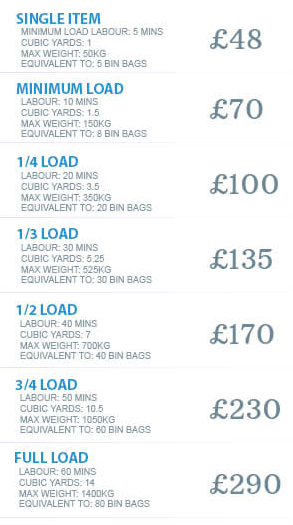
 Tipper Van - Rubbish Removal and Junk Collection Prices in Harrow, HA1
 Luton Van - Rubbish Removal and Junk Collection Prices in Harrow, HA1