Rubbish removal Harrow on the Hill quick guide HA1
Posted on 01/05/2026
If you need rubbish cleared in Harrow on the Hill, you probably want the same thing everyone else wants: a straightforward service, no drama, and a result that leaves the place looking and feeling better by the end of the day. This Rubbish removal Harrow on the Hill quick guide HA1 walks you through how local waste clearance usually works, what to expect, when it makes sense to book help, and how to avoid the common headaches that can turn a simple job into a messy one. To be fair, rubbish removal sounds simple until you're staring at a full garage, a half-dismantled wardrobe, or a garden pile that has somehow grown overnight.
Whether you are clearing out a flat, tidying after trades, dealing with a house move, or just reclaiming some space, the aim here is the same: help you make a sensible choice quickly. You will also find natural links to useful pages on the site, including the full services overview, pricing and quotes, and rubbish clearance in Harrow, so you can keep moving without having to hunt around.
Quick guide, yes. Thin guide, no.

Why Rubbish removal Harrow on the Hill quick guide HA1 Matters
Harrow on the Hill has a mix of period homes, flats, converted buildings, smaller access routes, and busy everyday life. That matters because waste is rarely just "waste" in a local setting. It might be a sofa that will not fit down the stairs, garden cuttings after a weekend tidy-up, old office equipment, or building debris from a small renovation. Each one has a different practical problem attached to it.
In HA1, people often need clearance services for one of three reasons: they want space back, they want a property ready for sale or rent, or they need to deal with waste safely and quickly after work has been done. If that sounds familiar, you are not alone. A tidy property can feel noticeably calmer the moment the clutter goes. There is a reason many people book a clearance team before open days, moving dates, or landlord inspections.
Local relevance matters too. Narrow roads, parking limits, and shared entrances can all affect how rubbish is removed. What looks like a simple load from the pavement may require more planning in a residential street near Harrow on the Hill. That is where a practical guide helps. It saves time, reduces guesswork, and makes the whole job feel less like a chore and more like something under control.
If your clearance job is tied to a move or sale, you may also find the local property content helpful, such as the Harrow property sales guide or the buyers guide to Harrow real estate. Sometimes the rubbish is only half the story; the rest is getting the place ready to present well.
How Rubbish removal Harrow on the Hill quick guide HA1 Works
Most rubbish removal jobs follow a simple pattern, even if the load itself is a bit of a mixed bag. In practical terms, the process usually starts with you describing what needs to go. Then the provider assesses the volume, access, and type of waste, and gives a quote or estimate. After that, a collection is arranged, the rubbish is loaded, and the waste is taken away for sorting, reuse, recycling, or disposal.
Here is the part people sometimes underestimate: access. Two piles of rubbish can be identical, but if one is in a front garden and the other is tucked up three flights of stairs, the job is not really the same. In Harrow on the Hill, that difference comes up a lot. An experienced team will usually ask about parking, lifts, stair access, and whether any items need to be dismantled before removal.
For larger or more awkward jobs, services often branch into specific categories. A few common examples are house clearance, garage clearance, loft clearance, garden waste removal, and furniture disposal. That distinction matters because the best option depends on what you actually have, not just the rough size of the pile.
There is also a difference between rubbish collection, junk removal, and waste removal in the way customers use the terms. In everyday speech they overlap a lot. In service terms, though, one provider may specialise in domestic clearances while another handles builders' waste or office clearance. If you are unsure, browse the waste removal service and the junk removal page to match the job to the right service.
Key Benefits and Practical Advantages
The biggest benefit is obvious: you get your space back. But there is more to it than that. A good rubbish removal service can save time, reduce lifting and strain, keep waste moving through the right channels, and make a property easier to live in, sell, rent, or work from.
Here are the practical advantages people usually notice first:
- Speed: collections can often be arranged faster than waiting on bigger DIY solutions.
- Less hassle: no hiring trailer, no repeated trips to the tip, no guessing what goes where.
- Better handling: heavy or awkward items are removed by people used to lifting and loading them properly.
- Cleaner finish: the property feels ready for the next task, whether that is decorating, listing, or moving in.
- More flexibility: useful for one-off loads, mixed waste, and jobs that do not neatly fit a skip.
One subtle benefit people forget is mental. A cluttered hallway or packed spare room has a way of hanging over you. It is not dramatic, just irritating. You see it every day. You step around it. You keep meaning to sort it out. Once cleared, the space can feel lighter almost immediately. Not magic. Just relief.
If sustainability matters to you, it is worth checking how a provider deals with sorting and recovery. The site's recycling and sustainability page is a useful place to understand how waste can be handled more responsibly. In real life, that is often one of the quiet signs of a decent operator.
Who This Is For and When It Makes Sense
This kind of service is for anyone who has more waste than they can sensibly manage themselves, or anyone who needs a cleaner, quicker outcome than DIY disposal can offer. That includes homeowners, tenants, landlords, estate agents, tradespeople, shop owners, and office managers.
It makes particular sense in situations like these:
- you are moving and need clutter gone before handover
- you have inherited a property and need it cleared respectfully
- you are renovating and have mixed builders' waste on site
- your loft, garage, or garden has slowly become a storage overflow zone
- you need bulky items removed from a flat without the headache of moving them yourself
- your workplace needs a tidy, discreet reset after an office reorganisation
Business customers often look at office clearance when desks, chairs, filing units, and general clutter are taking over valuable space. Domestic customers often start with a smaller job and then realise the back room, garage, or loft has become the real issue. Happens all the time.
If your job is tied to trade work, you may want to look at builders' waste clearance in Harrow as well. That is especially useful after refurbishments where rubble, packaging, timber offcuts, and broken fixtures all turn up at once.
Step-by-Step Guidance
If you want a smooth experience, a simple step-by-step approach helps. You do not need to overthink it, but a little preparation makes a surprisingly big difference.
- Walk through the space. Look at what needs removing and separate general waste from anything reusable, hazardous, or sentimental.
- Take rough photos. A few clear images of the load, access points, and any large items can make quoting faster and more accurate.
- Note access details. Mention stairs, parking restrictions, narrow entrances, lifts, or any awkward carrying distance.
- Ask what is included. Confirm loading, labour, disposal, recycling, and any extra charges before you book.
- Clear a route. Move small obstacles so the team can work safely and quickly. You do not need to deep clean first. Just give them a path.
- Confirm timing. Morning collections can be useful if you want the place sorted before the day gets busy. Afternoon is fine too, of course.
- Check the finish. Once the rubbish is gone, take a minute to check corners, sheds, under stairs, and behind doors. It is amazing what gets missed if everyone is in a rush.
A practical tip: if you have mixed items, group them by type before the team arrives. Put furniture together, garden waste together, and loose bagged waste together. It makes the job easier and often quicker. Not every minute saved will show up on a spreadsheet, but it will show up in your day.
Expert Tips for Better Results
Small decisions make a big difference in rubbish removal. Here are the tips that tend to matter most in the real world, not just on paper.
Be specific about the waste type. "A bit of rubbish" is not a useful description. "Three broken wardrobes, five bin bags, and old carpet offcuts" is. The more precise you are, the easier it is to quote and plan.
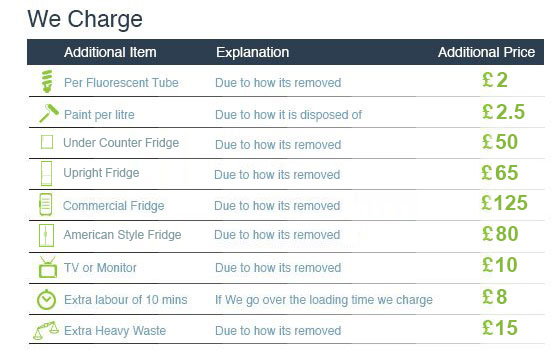
Separate special items early. Anything hazardous, electrical, or potentially restricted should be identified before collection. That includes paint, solvents, fridges, batteries, and some construction waste. If in doubt, ask rather than guessing.
Think about timing around neighbours. In quieter streets, a noisy, rushed collection can feel disruptive. A tidy, efficient crew working at a sensible time is usually appreciated more than people admit. Little things matter in close residential areas.
Ask about recycling and sorting. A solid provider should be able to explain how waste is handled, especially if the job includes wood, metal, cardboard, textiles, or reusable furniture.
Use the right service for the job. A garden pile is not the same as old office furniture, and a loft clear-out is not the same as builders' rubble. Matching the job to the service usually gives a cleaner result and fewer surprises. If you are unsure where your job fits, the services overview is a sensible starting point.
One honest note: sometimes the hardest part is simply deciding to do it. Once you make the booking, half the stress drops away. Truth be told, that first step is often the biggest one.

Common Mistakes to Avoid
Most problems with rubbish removal are preventable. They usually come from haste, vague communication, or trying to save money in the wrong place. That sounds harsh, but it is usually true.
- Underestimating the volume: what looks like "a small pile" can turn into a van full once it is gathered and stacked properly.
- Forgetting access issues: low parking, long carries, and multiple flights of stairs can affect time and cost.
- Mixing acceptable and restricted waste: this can cause delays or require a separate arrangement.
- Leaving everything until the last minute: if you need a property ready for sale or handover, late booking is a classic headache.
- Not reading the service terms: small print is boring, yes, but it tells you what is included.
- Choosing on price alone: cheapest is not always best if the service is vague or unreliable.
Another common issue is failing to ask what happens after collection. Some customers assume everything is simply "taken away" and that is that. In reality, sorting, reuse, and disposal can vary by load type. It is worth asking because it shows the provider understands responsible waste handling, not just removal.
If you want to get really organised, read the terms and conditions before booking, and check the pricing and quotes page for how estimates are handled. A couple of minutes there can save a lot of back-and-forth later.
Tools, Resources and Recommendations
You do not need a toolkit to book rubbish removal, but a few basic resources make the whole job smoother. Think of this as the "prepare once, relax later" bit.
- Phone camera: take photos of the waste, especially bulky items and tight access points.
- Simple list: write down major items before asking for a quote.
- Tape measure: useful if you suspect a sofa, bed frame, or appliance may need dismantling.
- Bin bags and labels: helpful for separating loose items from bulky waste.
- Gloves and sturdy shoes: if you are sorting anything yourself first, basic safety matters.
For many readers, the most useful resources on the site are the service pages themselves. For example, rubbish collection in Harrow is helpful for straightforward pickups, while skip hire in Harrow may suit longer projects where waste builds up over several days. Different jobs, different rhythm.
If your project involves a specific item category, use the dedicated pages rather than guessing. A few good examples are garage clearance and loft clearance. Those pages help you match the job to the right service and avoid paying for something overly broad.
Law, Compliance, Standards and Best Practice
Rubbish removal is not just a practical service; it sits within a framework of responsible waste handling. You do not need to become a waste expert, but it is sensible to know the basics.
In the UK, waste must be managed properly, and householders, landlords, and businesses all have a role to play. That usually means choosing a provider that can explain what happens to the waste, handles it through legitimate channels, and treats restricted items carefully. If a service seems vague about disposal, recycling, or safety, that is worth pausing over.
For business or landlord clearances, it is especially wise to keep records, confirm what is included, and make sure the operator can remove waste lawfully. If your load includes electrical items, sharp materials, or anything potentially hazardous, ask how it will be handled. No guessing. No shrugging. Just ask.
The site's insurance and safety page is a useful reference if you want reassurance about handling, liability, and working practices. For trust and governance more broadly, the about us page and payment and security information are worth a look too.
Best practice is usually quite plain: be honest about what you need removed, check the provider is clear about the process, and keep your side of the arrangement tidy. It is not glamorous, but it works.
Options, Methods and Comparison Table
Not every clearance job needs the same method. Some people need a quick one-off collection. Others want a slower, ongoing solution. A quick comparison helps make the choice less fuzzy.
| Option | Best for | Strengths | Possible drawbacks |
|---|---|---|---|
| Man and van rubbish removal | Mixed household waste, bulky items, quick clearances | Flexible, fast, useful for awkward loads | May need a precise description of items and access |
| Skip hire | Longer projects, ongoing renovation waste | Handy if rubbish builds over time | Requires space and can be less suitable for tight access |
| Specialist clearance | House, office, loft, garage, or builders' waste | Tailored approach, better for complex jobs | Choosing the wrong specialist can lead to overpaying |
| DIY tip run | Small loads and people with the time and transport | Direct control over sorting | Time-consuming, physically demanding, multiple trips |
There is no universal best option. A small domestic declutter might suit a straightforward collection, while a renovation with rubble and packaging may point more toward builders' waste or skip hire. If you are still deciding, start with the service that most closely matches the waste type. Simple rule, but a good one.
Case Study or Real-World Example
Imagine a typical Harrow on the Hill Saturday morning. A homeowner has just finished clearing a spare room and discovered more rubbish than expected: an old wardrobe, broken shelving, seven bags of mixed clutter, and a heavy bedside cabinet that has seen better days. There is also a narrow stairwell and nowhere easy to leave a skip without causing problems. Very ordinary, very local, very familiar.
Instead of spending the weekend doing repeated car journeys, the owner books a rubbish removal service after sending a few photos. The provider asks about access, confirms the items, and schedules a collection. On the day, the load is taken out in one visit. The spare room is clear. The hallway looks bigger. The air feels less stagnant, which sounds dramatic, but anyone who has opened a room after clearing it knows the feeling.
In a similar case, a landlord clearing a flat between tenancies might use house clearance or a targeted furniture disposal service to keep turnaround fast. That speed matters because empty days can be costly, and tenants rarely wait around for paperwork to catch up.
The lesson is simple: the best result usually comes from matching the service to the job early, not after the clutter has already become an obstacle.
Practical Checklist
Use this checklist before you book or on the morning of collection. It keeps things orderly, and honestly, it saves a lot of last-minute scrambling.
- Make a list of the main items and rough quantity
- Take a few clear photos from different angles
- Check whether any items are bulky, heavy, or awkward to move
- Note stairs, parking limits, and access constraints
- Separate restricted items from general waste
- Confirm what the quote includes
- Ask about recycling or sorting if that matters to you
- Clear a path to the items where possible
- Keep keys, fobs, or entry instructions ready if needed
- Do a final sweep after collection for small missed items
Expert summary: the smartest rubbish removal jobs are usually the ones where the customer is clear, the access is understood early, and the service matches the waste type. That combination saves time, reduces stress, and leads to a cleaner result with fewer surprises.
Conclusion
Rubbish removal in Harrow on the Hill is easiest when you treat it as a practical planning task, not just a collection. A little clarity about what needs to go, where it is located, and how quickly you want it removed can make the whole experience smoother. Whether you are clearing a loft, preparing a property for sale, dealing with garden waste, or making an office usable again, the right service can take a heavy burden off your hands.
And yes, sometimes the job is bigger than expected. That is normal. The trick is not to let the clutter grow into a bigger problem than it needs to be. Start with the right service, ask sensible questions, and keep the process simple. You will usually end up with less stress and a much tidier space.
Get a free quote today and see how much you can save.
If you are ready to take the next step, the easiest move is to contact the team here and describe what you need removed. A short message can save a lot of back-and-forth, and sometimes that is exactly what you need on a busy week.
Once the rubbish is gone, the room does not just look better. It feels like you have got a bit of the day back. That is worth something.



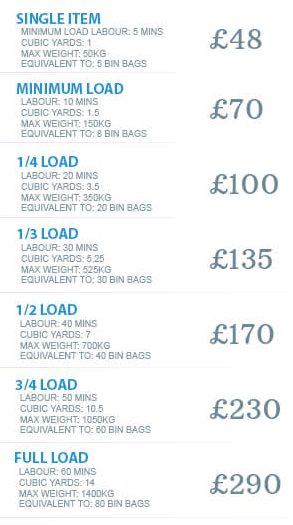
 Tipper Van - Rubbish Removal and Junk Collection Prices in Harrow, HA1
 Luton Van - Rubbish Removal and Junk Collection Prices in Harrow, HA1